Points to check before booking a desert quad ride
Booking a desert ride sounds simple until the details start to matter. The vehicle, the route, the safety setup and the timing all shape the day. A little care before payment can prevent confusion on arrival and help you choose an experience that suits your group. Desert terrain is beautiful, but it is not the same as a flat track. Preparation makes the ride calmer and more enjoyable.
Start with the rider requirements
Before choosing a slot, check who is allowed to ride and what each person needs to bring. Age limits, driving experience and passenger rules can differ between activities. A rider who has never handled a quad bike should not be placed on a fast or technical route just because it looks exciting in a listing. If children are part of the group, confirm whether they ride with an adult, use a smaller vehicle or join a separate activity.
It also helps to check what is included in the booking rather than assuming. Bring modest, closed footwear, comfortable clothing and eye protection where appropriate. Loose scarves, long dangling accessories and floppy hats can become a nuisance in wind and sand. The desert can feel warm in the day and cool later, so layers are useful. A small amount of planning makes the pickup and briefing smoother.
Check the route and riding level
Not all desert routes feel the same. Some are broad and open, with room to settle into the ride. Others include tighter turns, steeper slopes or longer stretches over loose sand. If the listing mentions a sand dune section, ask whether it is suitable for beginners or only for riders with recent experience. A route that looks short on a map can still feel demanding because sand changes grip and slows progress.
Think about the pace as well as the distance. A steady ride with frequent stops suits photos and mixed abilities. A faster session may appeal to confident riders but leaves less time to take in the surroundings. If the outing is paired with a desert safari, check how much riding time is actually included and whether the rest of the plan is spent travelling, eating or watching entertainment. That distinction matters when comparing options.
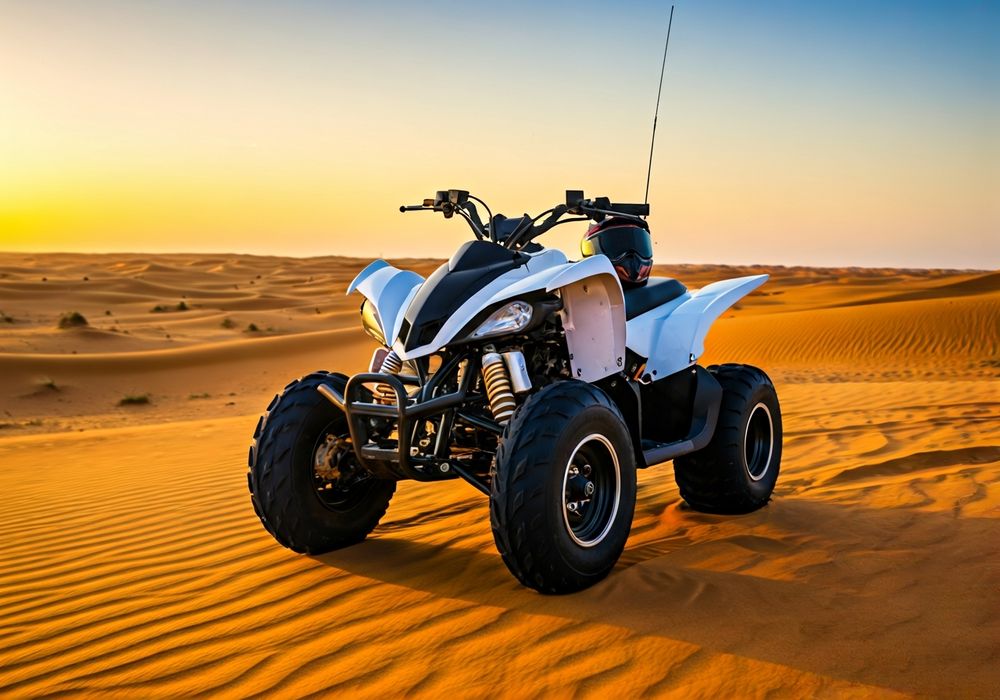
When people search for quad biking dubai, they often focus on the vehicle first. The route deserves just as much attention, because it decides how comfortable the experience feels from start to finish. Open terrain can be forgiving, while narrow tracks and uneven ground ask for more control. A clear route description is a good sign that the activity has been planned with rider ability in mind.
Look closely at safety basics
Safety should be easy to understand before you arrive. A proper briefing explains how to steer, brake, mount and dismount, and what to do if the group stops suddenly. It should also cover hand signals, spacing between vehicles and the boundary of the riding area. If the explanation depends on shouting over engines, ask how instructions are given to the whole group.
Protective gear is another practical point. A helmet should fit properly, with a secure strap and no loose movement. Gloves can improve grip, and eye protection helps with dust. Check whether the operator supplies these items or expects riders to bring them. Clean, well maintained gear is preferable to equipment that looks worn or poorly stored. A rider who feels restricted by a badly fitted helmet may become tired and distracted.
The vehicle itself should be presented in a way that inspires confidence. Before the ride begins, a rider can reasonably expect the quad bike to look tidy and complete, with controls that are explained clearly. Warning signs such as a loose lever, damaged bodywork, unusual noise or a weak response during a slow test area should be raised straight away. Mechanical diagnosis is not a rider's job, but visible concerns should not be ignored. A qualified technician should handle repairs and adjustments.
Understand supervision and group size
Supervision changes the feel of an outing. New riders benefit from clear guidance at the start and a route leader who sets a manageable pace. More experienced riders may prefer space to enjoy the terrain without constant stops. Neither approach is wrong, but the style should match the booking. Ask whether the group is mixed by ability and how slower riders are supported.
Group size is worth checking too. A smaller group usually means clearer communication and less waiting at stops. A larger group can still work well if the route is wide and the riding is organised in a sensible order. Confusion often begins when riders are sent out with unclear spacing or mixed expectations. A simple explanation of the route, pace and stopping points can prevent most of that.
If a dune buggy is offered as an alternative, compare the driving position and control style. A buggy may feel more enclosed, while a quad bike asks the rider to shift weight more actively. That difference matters for anyone with limited mobility, back discomfort or little off road experience. The best choice is usually the one that feels controllable, not the one that looks fastest.
Read the timing and inclusions
Desert conditions change across the day. A morning ride may feel fresher, while late afternoon light can make the scenery more memorable. Sand can feel softer in some places after heat and wind, so the route may vary. Ask how long the activity lasts from arrival to departure, not just how long the riding segment is listed as. Waiting time, briefing, transport and photo stops all affect the day.
Inclusions are another area where expectations can drift. Some outings focus only on riding. Others connect with a desert camp, meals or other activities. If food, drinks or transfers are part of the plan, check what is confirmed in writing. This is especially useful for families, mixed groups and anyone with dietary needs. Clear details make it easier to compare two options that appear similar at first glance.
Weather can also change the plan. Wind may reduce visibility, and heavy rain is rare but can affect desert tracks. A responsible operator will explain if conditions require a change of route or timing. Flexibility is part of travelling in an open landscape. Riders who understand that before booking are less likely to feel disappointed by a small adjustment.
Match the experience to the person riding
The right booking depends on the rider, not only on the scenery. Someone who is confident on a farm track may still find deep sand tiring. A person who enjoys speed may become bored by a gentle route with frequent stops. Think honestly about balance, reaction time and comfort with uneven ground. It is better to choose a steady first ride and build from there than to spend the whole session feeling tense.
Physical readiness matters in a quiet way. Steering a quad bike over sand uses the arms, shoulders and core more than many people expect. Heat can add to that strain. Riders should feel able to get on and off without help and to hold a stable position while the vehicle moves over bumps. Anyone unsure should speak up before the ride rather than trying to keep pace with the group.
Photography is another small but real consideration. Cameras and phones can fill with sand quickly, so a sealed pouch or simple cover is sensible. If stopping for photos is important, check whether the route has safe places to pause away from moving vehicles. A good photo stop should never require stepping into an active riding line.
Ask clear questions before payment
A short conversation before booking can settle most doubts. Ask about rider requirements, helmet sizing, route level, group size and what happens if conditions change. Request simple answers that match what will happen on the day. Vague promises are less useful than a plain description of the ride. A clear booking also reduces the chance of arriving with the wrong expectations.
Finally, leave enough time between activities. Riding can be dusty and physically absorbing, and everyone may want a wash and a rest afterwards. A tightly packed itinerary can turn a promising outing into a rush. Give the experience room to breathe. With the practical points checked, the ride itself can be enjoyed for what it is: a chance to cross open desert terrain with a clear plan and a sensible level of care.